Bay Area Commercial Drainage Cost: Why Proper Planning Saves Thousands Later
Smart commercial property owners understand that commercial drainage cost isn’t just an expense. It protects property, keeps tenants satisfied, and safeguards long-term profitability. For example, reactive emergency repairs can cost $15,000 or more, while a well-planned drainage installation might cost around $5,000 to $10,000 in many commercial settings, especially if you time it right and scope the work strategically.
Drainage Technology Solutions has helped countless Bay Area commercial clients realize that the most expensive drainage work is the kind they didn’t plan for. This guide breaks down the key factors influencing costs and shows how proper planning can turn essential drainage work into a strategic advantage.
Major Factors That Influence Commercial Drainage Costs

Pricing varies widely depending on property size, system requirements, and timing. Emergency repairs typically cost 3 to 5 times as much as planned installations because they often involve expedited labor, rushed materials, and possible business disruption.
Planned Drainage vs. Emergency Repairs
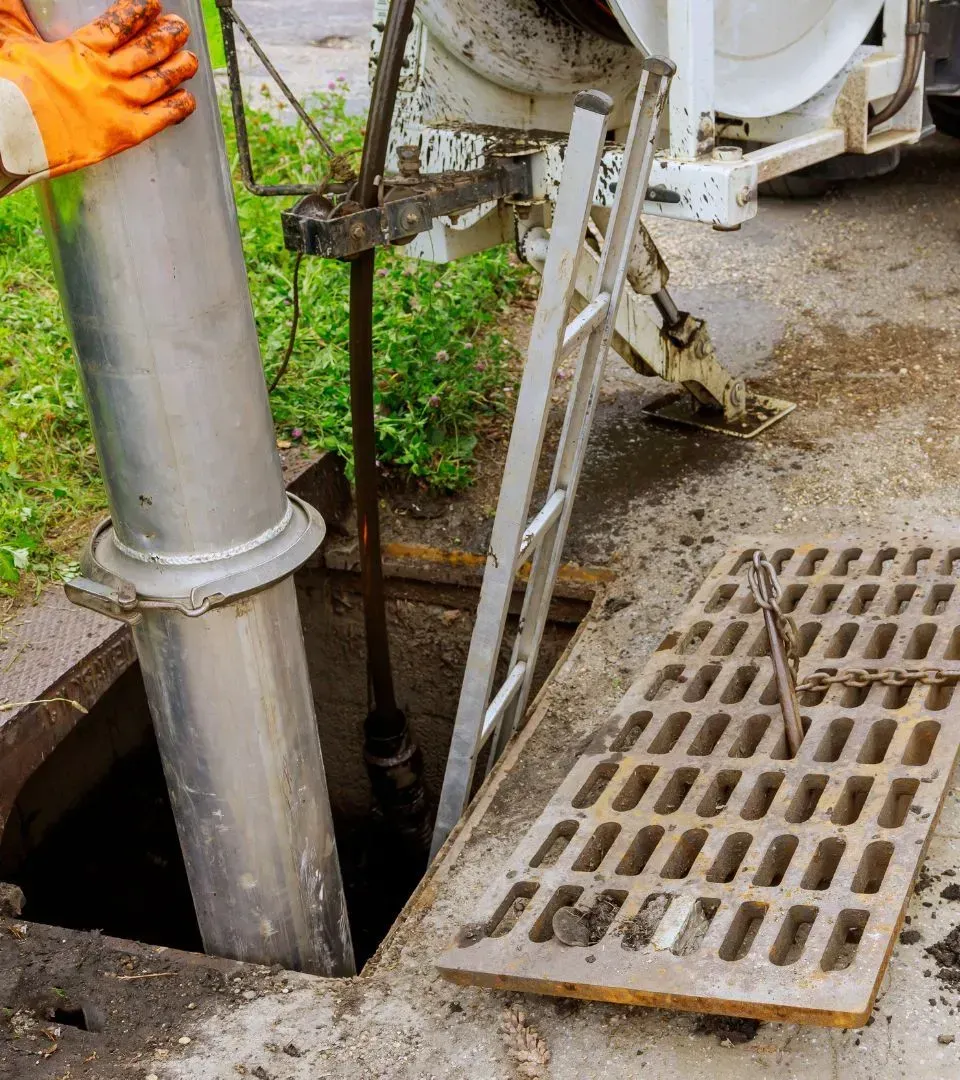
Strategic drainage installation allows property owners to control timing, evaluate different systems, and secure more favorable pricing. Emergency repairs, by contrast, force managers to act under pressure, often hiring the first available contractor. These urgent situations not only lead to higher contractor fees but also indirect costs: business interruption, tenant relocation, and expedited materials can easily double or triple the total cost compared to a planned installation.
Property Size, Layout Complexity & Site Conditions
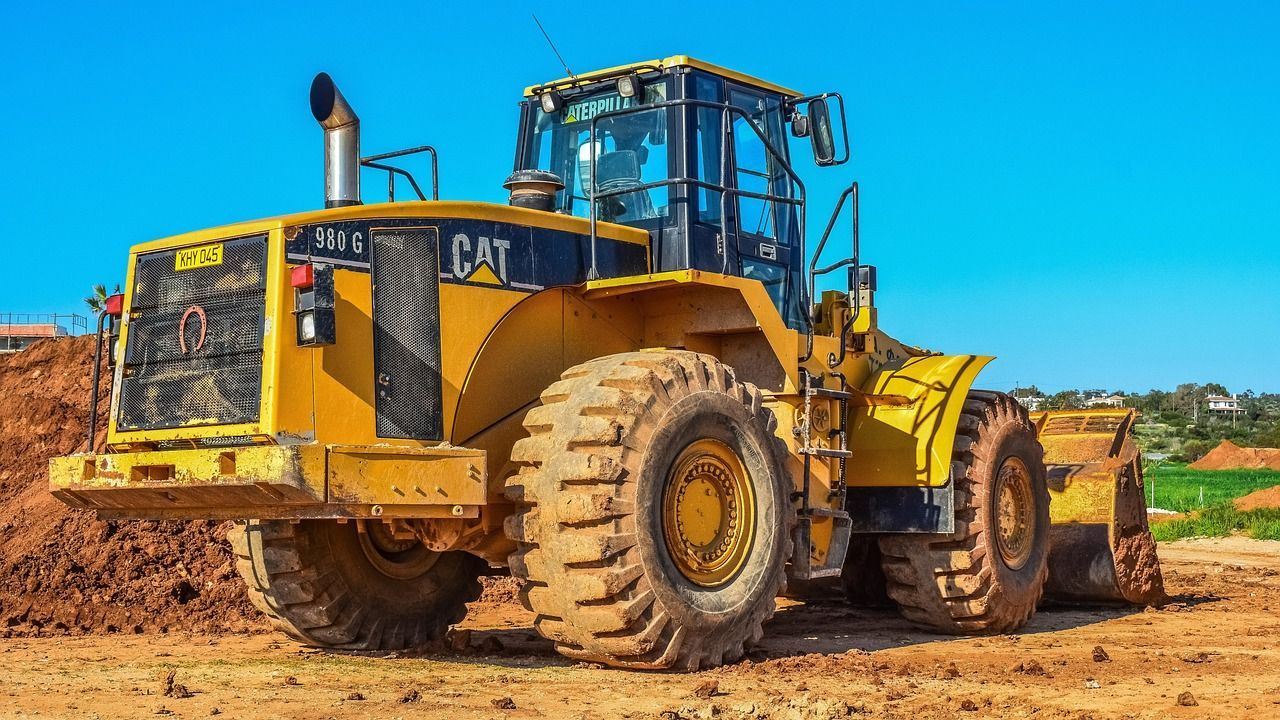
Larger commercial properties with multiple buildings, irregular layouts, or limited access drive up material and labor costs. In the Bay Area, clay-rich soil and challenging grades often require deeper excavation or specialized equipment, which significantly increases costs. Clay-heavy soil expands when wet and collapses when dry, meaning drainage crews often have to trench in short sections and shore the walls for safety. If there are existing underground utilities or complex natural water flow, the system design must account for them, which also affects costs.
Type of System and Materials
Here’s where cost really scales:
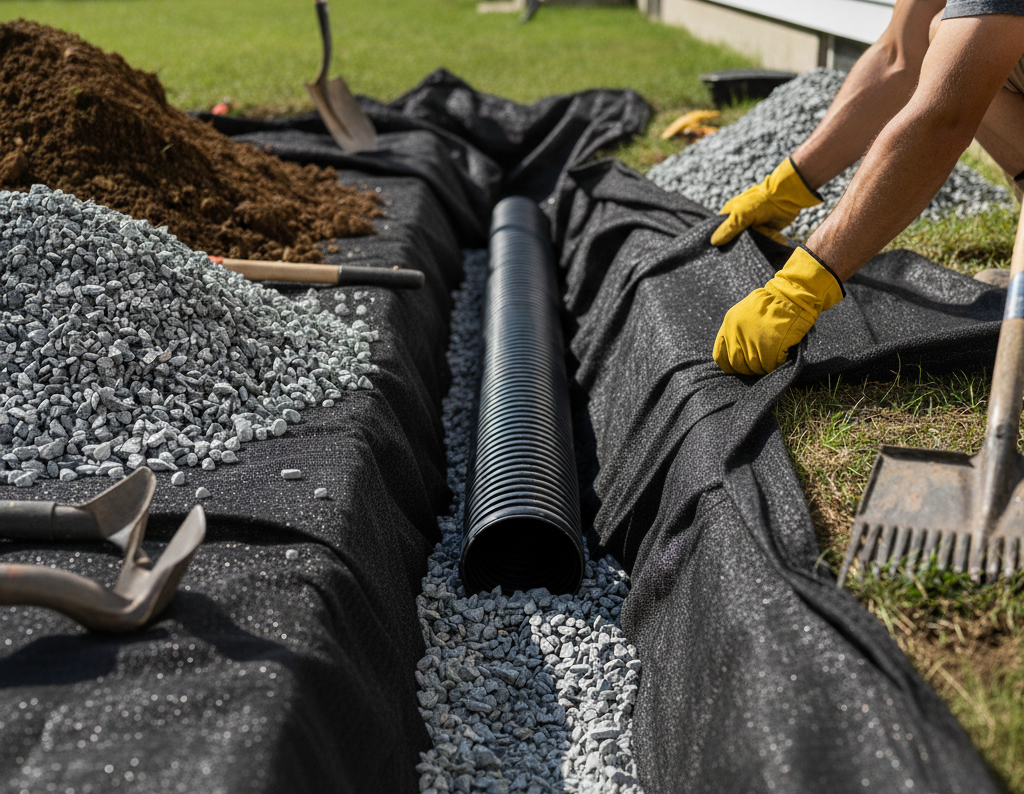
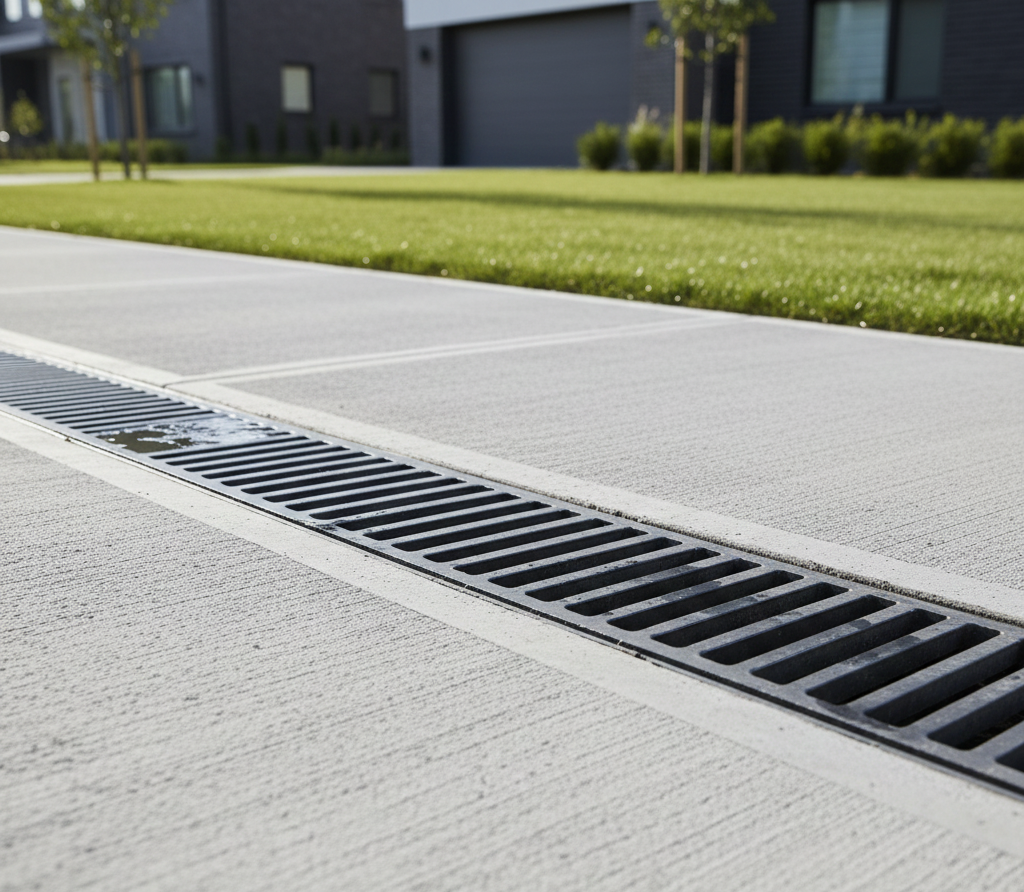
- A basic trench-drain or channel pipe system (e.g., PVC or HDPE) might run $30 to $50 per linear foot to install.
- If you upgrade to premium materials or grate systems, that cost could increase by $10 to $20+ per linear foot.
- For stormwater treatment or bioretention (e.g., bio-cells) in a commercial/industrial setting, costs may go as high as $10 to $40+ per square foot, depending on design complexity.
While advanced composite systems (e.g., HydroBlox, permeable pavers) may cost more upfront, their reduced maintenance and longer lifespan often make them more cost-effective in the long run.
Additional Costs To Watch Out for

Several “hidden” components affect total commercial drainage costs:
- Permits and inspections: Local stormwater and municipal codes in the Bay Area can make these mandatory, adding to project cost.
- Labor and specialized equipment: Excavation in tight spaces or the use of heavy machinery increases labor costs.
- Project timing/seasonality: If you're installing during rainy months or need a fast turnaround, prices go up.
- Site restoration: After trenching, you might need to restore landscaping, hardscape, or parking lot surfaces.
- Environmental compliance: Stormwater regulations, erosion control, and water-quality management may require engineered or low-impact systems.
Smart Planning Strategies To Control Costs

By being proactive, you can significantly reduce your total drainage expense:
- Consult Drainage Experts Upfront: An expert assessment helps identify soil challenges, flow patterns, and the best system types, reducing the risk of costly surprises later.
- Consider Phasing the Project: Rather than doing everything in one go, break the work into stages (e.g., critical drain lines first, then secondary systems). This lets you spread costs across fiscal years and minimize disruption.
- Implement Preventive Maintenance: Routine inspections and minor repairs can prevent emergencies. Over time, this saves far more than reactive fixes.
- Choose Long-Term Solutions Over Band-Aid Fixes: Sometimes replacing an old, failing system is cheaper in the long run than constantly patching problems. Investing in high-grade materials now may save tens of thousands later.
Plan Smart, Plan Ahead With Drainage Technology Solutions

The math of commercial drainage cost is straightforward: planning and quality pay off. Planned installations cost much less than emergencies, and high-quality systems require less maintenance and last longer. Don’t let drainage problems dictate your budget or disrupt operations. Smart planning gives you control over costs, timelines, and outcomes. With the right strategy, you can save thousands, minimize tenant impact, and protect your property’s value.
Take a strategic approach to your drainage needs. Reach out to Drainage Technology Solutions for a comprehensive evaluation and a custom plan that aligns with your budget and long-term maintenance goals.